 Kim Reeves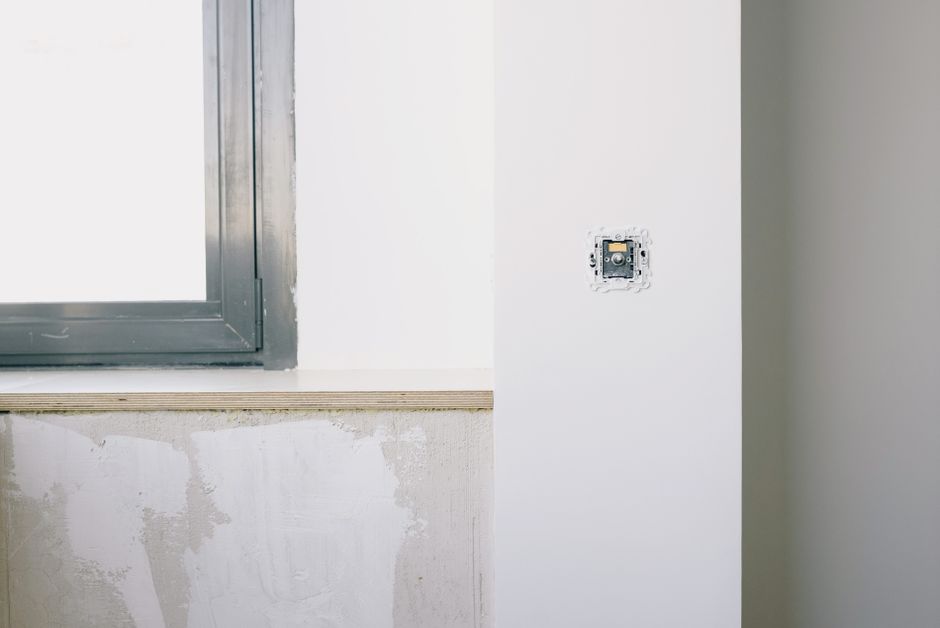
Half the calls I get from homeowners start the same way: “My outlet just stopped working and I don’t know why.” They’ve usually already tried unplugging and replugging the lamp. Sometimes they’ve even flipped a breaker or two. And then they’re standing there, confused, because the outlet is still dead and nothing they did made any difference.
Here’s what I tell them: a dead outlet almost always has one of five causes, and four of them you can fix yourself in under 20 minutes without touching a single wire. The fifth one needs an electrician. Let me walk you through all of it.
Start With the GFCI Button (Seriously, Check This First)
I know, I know. You’ve heard this before. But I still find homeowners who’ve lived in their house for years and have never located every GFCI outlet in it. So let me explain why this matters.
A GFCI outlet (the kind with the “Test” and “Reset” buttons on its face) protects not just itself but often a whole string of regular outlets downstream from it. This is completely normal wiring. The GFCI acts like a mini circuit breaker for that circuit. What most people don’t realize is that the outlet protecting yours might not even be in the same room. I once helped a homeowner whose dead bathroom outlet was tripped by a GFCI in the garage, 40 feet away. That’s legal. Electricians do it all the time to save money on hardware.
So if your outlet is dead, go find every GFCI outlet in the house. They’re required by code in bathrooms, kitchens, garages, unfinished basements, and any outdoor location. Press the “Reset” button firmly on each one until you feel it click. A tripped GFCI often looks identical to a normal one, which is why people miss it.
If the Reset button won’t stay in, or it clicks out immediately after you push it, that tells you something on that circuit is still faulting. Unplug everything connected to that circuit and try again. If it still won’t hold, you’ve got either a wiring fault or a failing GFCI outlet, and it’s time to call someone.
Quick outcome example: A reader named Dave, from outside Columbus, emailed me last spring. He’d been running an extension cord to his garage for six weeks because one outlet was dead. Turned out the GFCI in his basement bathroom had tripped. One button press. Six weeks of inconvenience gone.
The Breaker Box: Not as Obvious as You Think
Okay, so the GFCI isn’t the issue. Next stop: the breaker panel.
A tripped breaker doesn’t always look tripped. That’s the thing that gets people. A fully tripped breaker flips to the middle position (not fully on, not fully off), but sometimes a breaker will trip slightly and stay almost in the “on” position while still cutting power. I’ve seen homeowners stare right at the problem and miss it because the breaker looked fine.
The right move is to push every breaker fully to the “off” position and then back to “on,” even if it looks like it’s already on. For a tripped one, you must push it all the way to “off” before you can reset it to “on.” If you skip the full off position, it won’t reset properly.
One more thing: if a breaker trips again right after you reset it, stop. Don’t keep resetting it. A breaker that keeps tripping is telling you there’s an overload or a fault on that circuit. Forcing it is a real fire risk. That’s your call-an-electrician moment.
The Dead Outlet Itself
If the GFCI is fine and the breaker is fine, the outlet itself might be the problem.
Outlets wear out. The internal contacts that grip a plug get loose over time, especially in high-use spots like behind a desk or near an appliance. When the contacts lose tension, you get intermittent power or no power at all. A standard 15-amp duplex outlet costs about $3 at any hardware store. Even the good ones (Leviton, Hubbell) run $6 to $12. Replacing one is genuinely beginner-level DIY if you’re comfortable turning off the breaker and working carefully.
What I’d recommend: before you pull the outlet out, use a non-contact voltage tester (a Klein Tools NCVT-1 is $18 and worth owning) to confirm the outlet has no power with the breaker off. Then remove the cover plate, unscrew the outlet from the box, and look at the wires. You’re checking for two things: a wire that has come loose from its terminal, and wire connections that were “back-stabbed” (pushed into the back of the outlet instead of wrapped around a screw). Back-stabbed connections fail constantly. If you see wires in the back holes rather than on the screw terminals, that’s probably your problem right there. Move them to the screws, tighten them, and you’re done.
The first time I pulled a dead outlet in my own house, I was sure something dramatic was wrong. It was a back-stabbed wire on a 1987 outlet that had finally let go. Five minutes of work.
Wiring Problems Deeper in the Wall
This is where it gets less fun.
Sometimes the fault isn’t at the outlet at all. It’s at a splice in a junction box, or at an upstream outlet in the same circuit (outlets are often wired in series, so one bad connection upstream kills everything below it). If you’ve checked the GFCI, the breaker, and the outlet itself and still have nothing, you’re into “trace the circuit” territory.
Pull the outlet from the wall and check whether power is actually arriving at that box using your voltage tester. If the wires are dead at the box, the problem is upstream. If the wires show power but the outlet is still dead, the outlet is faulty (replace it).
Finding an upstream fault usually means opening other outlet boxes on the same circuit until you find where the power stops. This is tedious but doable. Where it stops being DIY territory: if you open a box and find burned insulation, melted plastic, black scorch marks, or a burning smell, close everything up and call an electrician today. Not tomorrow. Those are signs of arcing or overheating, which is how house fires start.
What Does This Actually Cost to Fix?
Since I get asked this constantly, here’s a realistic breakdown as of July 2026.
| Repair Type | DIY Cost | Pro Cost | Time |
|---|---|---|---|
| GFCI reset | $0 | N/A | 2 min |
| Replace standard outlet | $6-$12 (parts) | $85-$130 (labor + parts) | 15-30 min DIY |
| Replace GFCI outlet | $18-$45 (parts) | $120-$175 (labor + parts) | 20-40 min DIY |
| Reset or replace breaker | Not recommended DIY | $150-$250 | 1 hr (pro) |
| Trace and repair circuit fault | Possible DIY | $280-$750 | Varies widely |
| Full circuit rewire | No | $600-$1,400+ | 4-8 hrs (pro) |
The wide range on circuit work reflects local labor rates, access difficulty, and whether your house has open or finished walls. If you’re in a high-cost metro, add 20 to 30 percent.
Second outcome example: A homeowner in Tucson had an electrician quote her $380 to fix a dead outlet in her kitchen. She emailed me the description before agreeing. Based on what she described, I told her to look for a tripped GFCI in her garage first. She found it. Total cost: zero dollars. Always start with the free stuff.
When to Stop and Call a Pro
I believe in DIY. I think most homeowners can handle outlet swaps without incident if they’re careful and they turn off the power. But there are real lines here.
Call a licensed electrician if:
- You find any burn marks, melted plastic, or discoloration on wires or outlets
- A breaker trips repeatedly after being reset
- You smell burning or notice warmth around outlets or switch plates
- Your home was built before 1980 and has aluminum wiring (the wire will be silver-colored, not copper-colored, and the panel may say “Al” on the breakers)
- You open a box and find a chaotic mess of connections you don’t understand
- The outlet is in a wet location (bathroom, outdoor, kitchen counter) and you’re not confident with GFCI wiring specifics
The aluminum wiring issue is worth a sentence or two. Homes from roughly the late 1960s through mid-1970s often used aluminum branch circuit wiring, which requires specific outlets and connection methods. Standard outlets with aluminum wiring is a documented fire hazard. If you have it, don’t mess with it without a pro who knows what they’re doing with aluminum.
Third outcome example: A friend of mine in Charlotte had a dead living room outlet. He reset the breaker, replaced the outlet, checked downstream outlets. Still dead. Turned out a splice in a junction box inside the wall (behind drywall, no access panel) had failed. An electrician found it with a circuit tracer in about 45 minutes and repaired it for $312. Some problems really do need the right tools.
Sources
- National Electrical Code (NEC) 2023 Edition: the governing standard for residential wiring requirements, including GFCI placement rules
- U.S. Consumer Product Safety Commission (CPSC): data on electrical fires and outlet-related hazards in residential buildings
- Electrical Safety Foundation International (ESFI): annual electrical safety reports, including statistics on home electrical fires and their causes
- Underwriters Laboratories (UL): product testing and certification standards for outlets, GFCI devices, and circuit breakers
- International Association of Certified Home Inspectors (InterNACHI): field guides on common residential electrical defects found during inspections
Photo: Ksenia Chernaya via Pexels