 Paul Zhang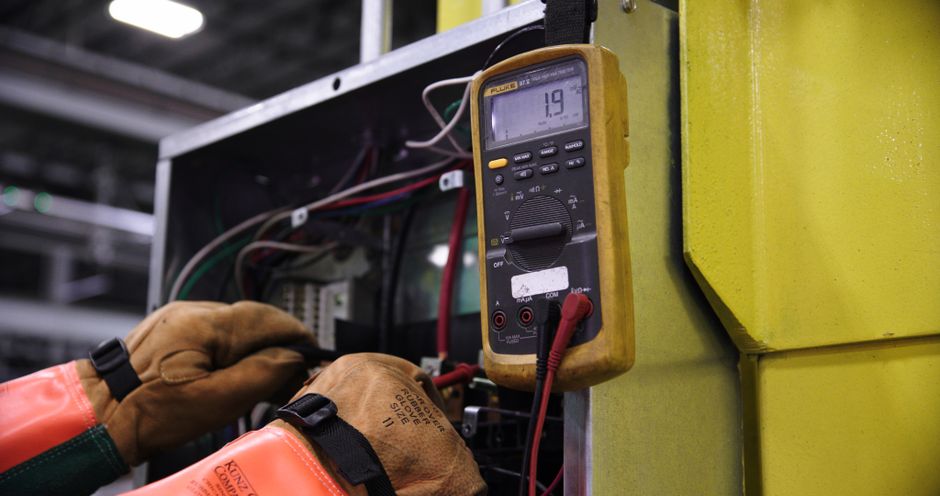
Forty percent of dead outlets aren’t actually broken. I’ve been in this trade for two decades and that number hasn’t budged much. Most of the time, someone’s microwave tripped a GFCI outlet in a bathroom three rooms away, and the homeowner has been convinced they need an electrician since Tuesday.
So before you call anyone, before you open a single electrical panel, let’s figure out what you’re actually dealing with.
Start Here: The Checks That Solve Most Problems
You might be wondering if this is some condescending “did you check if it’s plugged in” routine. It’s not. These are real diagnostic steps that I watch licensed electricians overlook when they’re in a hurry.
First, test the device you’re plugging in somewhere else. I know that sounds obvious, but I’ve been called out to a “dead outlet” that was just a bad lamp. Two minutes of testing saves everyone time.
If the device works elsewhere, look for a GFCI outlet in your home that has a “Test” and “Reset” button in the center. These outlets protect other outlets downstream on the same circuit, often in completely different rooms. A GFCI in your bathroom might be protecting the outlet in your garage, your basement, or even a kitchen outlet on an exterior wall. Press every Reset button you find. Seriously, press them all. They click when they re-engage.
No luck? Now go to your electrical panel and look for a tripped breaker. A tripped breaker usually sits in a middle position between ON and OFF, though on some Siemens and Eaton panels it’s subtle enough to miss if you’re not looking carefully. Flip it fully to OFF first, then back to ON. That’s important. A lot of people just nudge it toward ON and wonder why it trips again immediately.
Here’s what I tell people at this point: if it trips again the moment you flip it back, stop. Don’t keep resetting it. Something downstream is either overloaded or there’s a fault, and you need to figure out what before you put the breaker back in service.
Quick diagnostic logic, in order:
- Does the device work elsewhere? (Rules out the device)
- Is there a tripped GFCI outlet somewhere in the house? (Solves ~40% of cases)
- Is there a tripped breaker? (Solves another 25%)
- Is it a bad outlet? (Now you’re actually dealing with the outlet itself)
The Outlet Itself: When You Need to Get Into the Wall
If the GFCI and breaker checks came up empty, you’re likely looking at a loose wire connection or a failed receptacle. Both are fixable. Neither requires an electrician unless you find something unexpected inside the box.
Here’s what I want you to know before you touch anything: cut the power at the breaker first, then verify it’s off with a non-contact voltage tester. A Klein Tools NCVT-3 runs about $23 at Home Depot and it’s the single most useful tool I keep in my truck. Don’t trust the breaker label. Test the outlet anyway. Labels in older panels lie.
Once you’ve confirmed zero voltage, remove the outlet cover plate (one screw, usually), then unscrew the receptacle from the box with a flathead or #2 Phillips. Pull it out carefully. You’ve got several inches of wire in there, so don’t yank.
Now look. What I’m checking for: wires that have slipped off the screw terminals, wires connected to the “push-in” slots on the back of the outlet instead of the screw terminals (these fail constantly, especially on cheap outlets), and any signs of scorching or melted insulation.
Push-in “backstab” connections are a pet peeve of mine and I’ll be blunt: they’re a code-legal shortcut that causes real problems. In my experience, they’re the cause of intermittent outlet failure more often than any other single thing. If you open an outlet and find wires pushed into the back slots rather than wrapped around screws, move them to the screw terminals while you’re in there. Black wire to the brass screw, white wire to the silver screw, bare copper or green to the ground screw. You’ll need to strip about 3/4 inch of insulation if the wire was previously backstabbed, because the stripped portion is usually just barely long enough.
If the wiring looks fine and connections are solid, the receptacle itself has probably failed. A standard 15-amp outlet from Leviton or Hubbell costs $3 to $6. Swap it out. This takes about ten minutes once the power is off.
Wanda, a reader from Columbus who emailed me earlier this year, had done exactly this, found backstabbed connections on a 1990s-era outlet that had been flickering for months. She moved the wires to the screw terminals and replaced the $4 receptacle. The outlet’s worked fine since.
Wiring Problems You Might Find (And What They Mean)
Opening an outlet box sometimes reveals more than a loose wire. Here’s what the different scenarios actually mean for you:
Aluminum wiring: If you open the box and see dull gray wires instead of the usual copper-orange, that’s aluminum. It’s not a DIY repair. Aluminum wiring requires special connectors, specific devices rated for aluminum, and honestly, a licensed electrician who knows what they’re doing with it. Homes built between 1965 and 1973 are the most likely candidates.
Two wires only, no ground: Older homes often have ungrounded circuits with just a black and white wire and no bare copper ground. You can replace the outlet with a GFCI-type receptacle, which provides shock protection even without a ground, and label it “No Equipment Ground.” The NEC allows this specifically. What you cannot do is install a standard three-prong grounded outlet and call it safe if there’s no ground wire present.
Overheating evidence: Scorch marks, melted plastic, or a burning smell inside the box means you stop, leave the breaker off, and call an electrician. I’ve seen outlet boxes where the wire insulation was charred back two inches from the terminal. That’s a fire that hasn’t happened yet.
Wire gauge confusion: If you’re adding a new outlet or troubleshooting a 20-amp circuit, make sure the wire gauge matches. 15-amp circuits use 14-gauge wire, 20-amp circuits use 12-gauge. Mixing these is dangerous. 12-gauge wire is noticeably stiffer and harder to bend. You’ll know the difference once you’ve handled both.
What This Actually Costs
You might be tempted to call an electrician for this entire process. Sometimes that’s the right call (see the aluminum wiring note above). But here’s an honest breakdown of what you’re looking at either way, current as of July 2026:
| Scenario | DIY Cost | Pro Cost | Time |
|---|---|---|---|
| Tripped GFCI reset | $0 | $75-$150 service call | 2 min |
| Tripped breaker reset | $0 | $75-$150 service call | 5 min |
| Replace single outlet (standard) | $4-$8 parts | $150-$250 total | 15 min DIY |
| Replace GFCI outlet | $18-$35 parts | $175-$300 total | 20 min DIY |
| Loose wire reconnection | $0-$8 | $150-$250 | 15 min DIY |
| Add missing ground, rewire circuit | Not a DIY job | $400-$1,200+ | 2-8 hrs pro |
| Aluminum wiring repair | Not a DIY job | $85-$175 per outlet | Per outlet |
The service call alone on most residential electrical work runs $75 to $150 before any labor or materials. Knowing whether your problem is a $0 GFCI reset or a $200 outlet replacement is worth the twenty minutes of diagnostic work.
When to Stop and Call Someone
I want to be honest with you here. Most dead outlets are genuinely fixable by a careful homeowner in under an hour. But some things warrant a pro, and I’d rather be direct about where that line is.
Call a licensed electrician if:
- The breaker trips again immediately after you reset it
- You find scorching, melting, or burning smells inside the box
- You have aluminum wiring
- The outlet is on a bathroom, kitchen counter, garage, or outdoor circuit and you’re not sure about GFCI requirements
- You open the box and genuinely don’t understand what you’re looking at (no shame in that)
- You’re in a rental property and your lease or local code requires licensed work
Pulling a permit for outlet work is something a lot of homeowners skip. Whether you need one varies by municipality. In most jurisdictions, replacing a like-for-like outlet on an existing circuit doesn’t require a permit. Adding circuits, moving outlets, or doing panel work almost always does. If you’re selling your house in the next few years, unpermitted electrical work can complicate the sale. Worth knowing.
One scenario from my own work that sticks with me: a homeowner in my area, early 2025, fixed what he thought was a dead outlet by replacing it. The outlet worked. What he didn’t notice was that the wire feeding it had a nick in the insulation that was resting against the metal box. Six months later, an insurance claim. The outlet wasn’t the real problem. That’s the thing about electrical work: the failure you can see isn’t always the one that matters.
Sources
- International Residential Code (IRC), Chapter 39: Governs receptacle placement, GFCI requirements, and circuit specifications for residential construction.
- U.S. Consumer Product Safety Commission (CPSC), Residential Electrical Fire Data: CPSC data shows electrical failures, including outlet and wiring faults, account for an estimated 51,000 home fires annually.
- National Electrical Code (NEC), NFPA 70: The baseline standard for electrical installation in the U.S., including requirements for grounding, GFCI protection, and aluminum wiring remediation.
- Electrical Safety Foundation International (ESFI): Industry nonprofit with homeowner-facing guidance on recognizing wiring hazards and when to hire a professional.
Photo: Onics Energy via Pexels