 Maria Gonzalez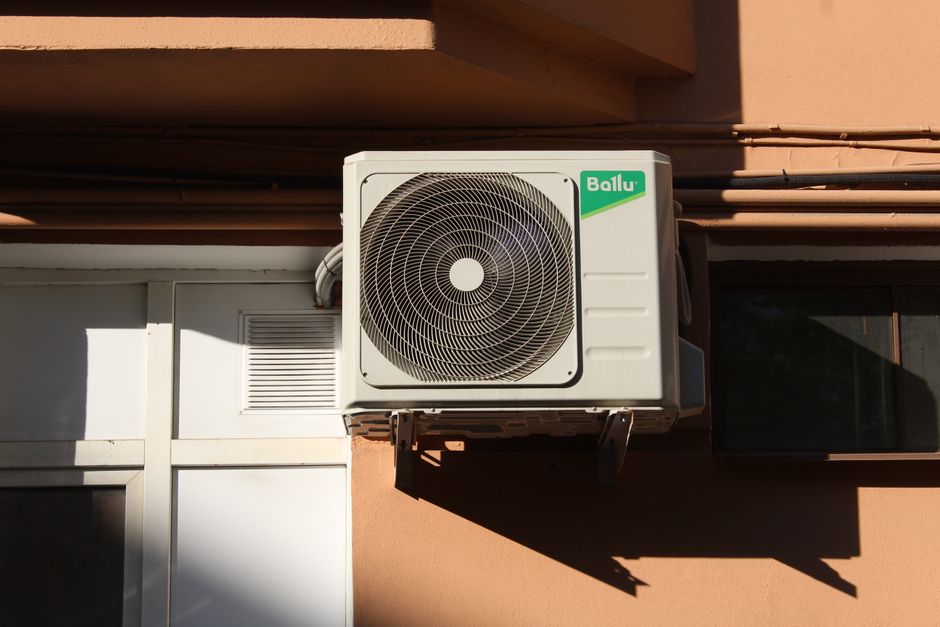
If your AC stopped working in the last 48 hours, you’re probably already sweating in more ways than one. You’ve called a couple of HVAC companies, maybe left a voicemail that hasn’t been returned, and you’re starting to realize that “we can get someone out next Tuesday” isn’t a joke. It’s just the reality of peak summer 2026. Heat waves across much of the country are pushing technician wait times to days or even weeks, and the repair bills waiting at the end of that wait aren’t small. According to Carrier’s June 2026 repair guidance, central AC repairs run anywhere from $150 to $1,500, and emergency service carries a premium on top of that.
Here’s what I tell people sitting across from me in this exact situation: before you pay anything, spend 20 minutes checking the things that are genuinely your job to fix. Not because you’re trying to be a hero. Because some of the most common reasons an AC quits are embarrassingly simple, and a technician charging an emergency premium is going to fix them in five minutes and hand you a bill anyway.
- HVAC wait times in July 2026 can stretch days or weeks during heat waves.
- Central AC repairs cost $150–$1,500; emergency service adds a premium on top.
- A clogged filter, tripped breaker, bad capacitor, or worn contactor are all DIY-fixable.
- Parts for the three most common condensing unit failures cost under $100 total.
- Midea window AC owners should verify their model number before any DIY drainage work.
Start With the Free Stuff (Seriously)
The first two checks cost you nothing and take under five minutes combined. First, go to your electrical panel and find the breaker labeled for your AC or air handler. A power surge during peak heat demand, which happens constantly when the whole neighborhood is running AC at once, can trip that breaker without any underlying mechanical failure. Flip it fully to the OFF position first, wait 30 seconds, then flip it back on. Poorman’s Heating & Air flagged this in their late June 2026 DIY guide as a 60-second fix homeowners skip constantly.
Second, check your air filter. Pull it out and hold it up to the light. If you can’t see light through it, that filter is strangling your system. A clogged filter starves the indoor evaporator coil of warm air, causing it to drop below freezing and ice over solid. Once that coil freezes, your system either blows warm air or shuts down entirely. It looks like a major failure. It’s a $10 filter. Replace the filter, turn the system to fan-only for a couple of hours to thaw the coil, then switch it back to cooling.
The Two Parts Most Likely Hiding in Your Condensing Unit
If the simple checks didn’t solve it, go outside and look at your condensing unit, the big metal box sitting next to your house. Is the fan on top spinning? Is anything humming but nothing running? These symptoms point to two specific parts that fail constantly in the heat: the start/run capacitor and the contactor.
The capacitor is essentially a battery-like component that gives the compressor and fan motor the jolt they need to start up. They fail often in high heat. The contactor is the electrical switch that tells the unit to run when the thermostat calls for cooling. Both are accessible by removing the side panel of the condenser (turn the power off at the disconnect box first, always), and both are inexpensive. HVAC tech Glenn Gault, cited in Family Handyman’s widely-referenced repair guide, confirms that a DIYer can handle the contactor, capacitor, and condenser fan motor for under $100 in parts in about two hours.
Here’s a quick look at what you’re dealing with cost-wise, DIY versus waiting for a pro:
| Repair | DIY Parts Cost | Pro Repair Cost (estimated) | DIY Difficulty |
|---|---|---|---|
| Tripped breaker reset | $0 | $75–$150 service call | Very easy |
| Clogged air filter | $5–$15 | $75–$150 service call | Very easy |
| Start/run capacitor | $10–$30 | $150–$400 | Moderate |
| Contactor replacement | $15–$40 | $150–$350 | Moderate |
| Condenser fan motor | $40–$100 | $300–$700 | Harder |
The capacitor and contactor swaps require you to photograph your wiring before disconnecting anything, match your replacement part to the original specs (voltage and microfarad rating for capacitors, amperage for contactors), and work carefully with components that can hold a charge even after power is cut. Discharge the capacitor with an insulated screwdriver before touching it. That’s not a suggestion.
Window AC Owners: One Extra Step First
If you’re working with a window unit rather than central air, the diagnosis logic is similar but there’s a specific thing to check before you start pulling panels. Midea issued a recall in 2025 covering certain window AC models with drainage defects that caused mold problems. They released redesigned 2026 units to address it, but if you have an older Midea unit, Forbes’ July 2026 window AC coverage flagged this directly: verify your model number against the recall list before assuming a drainage issue is a simple DIY fix. The last thing you want is to spend an afternoon fixing a problem that Midea may be obligated to address for you.
For non-recalled window units, drainage clogs and dirty filters are still the most common failure points and are straightforward to clean. Pull the filter, wash it with warm water, let it dry, and clear the drain pan with a mix of water and a small amount of bleach.
When to Stop and Call Anyway
Some things are genuinely not DIY territory, and I’d be doing you a disservice not to say so plainly. If your compressor is making a grinding or shrieking noise, stop. If you smell burning electrical odor from the unit, stop. If your system is running constantly but your house temperature just slowly climbs on a brutal afternoon, that often points to a refrigerant issue, which requires a certified technician and EPA licensing to handle. No amount of YouTube prep changes that.
The gap between what you can fix yourself and what will cost you real money is wider than most people realize. A $20 capacitor from a local HVAC supply house (most will sell to homeowners, just call ahead) versus a $275 service call for the same part installed is a meaningful difference, especially when that service call is also competing with every other sweating homeowner in your zip code.
Do the free checks first. Match symptoms to parts. Know when you’re in over your head. And if Tuesday really is the earliest appointment, at least you’ll know whether you’re waiting on a $20 fix or something that actually needs the professional.
Sources
- How To Fix the Most Common Air Conditioning Repairs Yourself – Family Handyman (March 2025)
- DIY Air Conditioner Fixes – Poorman’s Heating & Air (Late June 2026)
- Air Conditioner Repair Guide – Carrier (June 2026)
- The Best Window ACs Of 2026: Our Top Picks To Ride Out The Heat Wave – Forbes (Updated July 2026)
- How Much Does It Cost to Repair a Window Air Conditioner – HomeAdvisor (2025–2026)
- Why Your AC Can’t Keep Up in a Heat Wave – Energo (July 17, 2026)
Photo: Paolo Rossa via Pexels