 Dana Morrison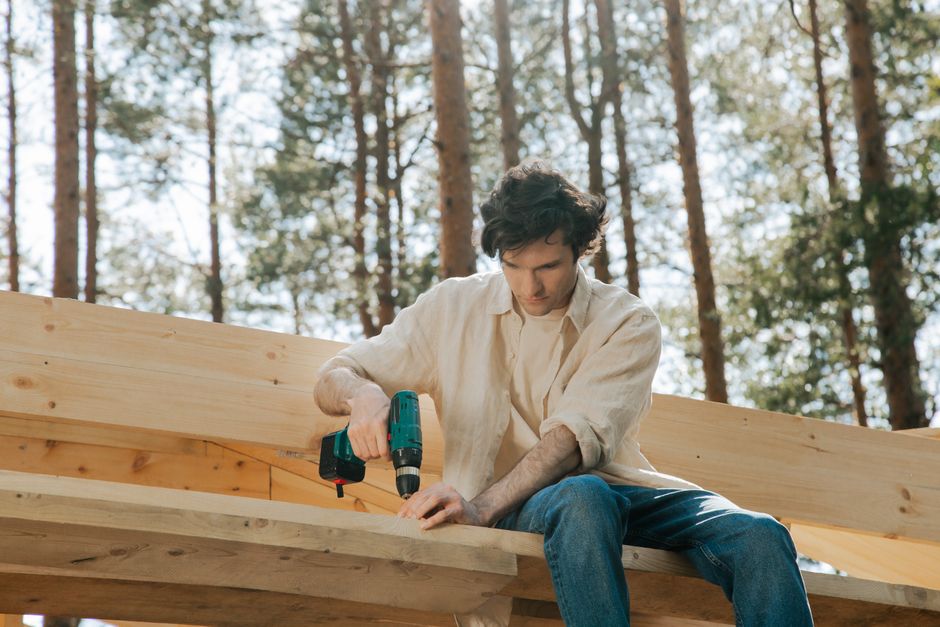
If you’ve been pricing out a backyard deck this summer, you’ve probably already felt the sticker shock. What surprises most people is that the shock isn’t coming from one direction. It’s not just lumber. It’s not just labor. It’s a convergence of tariff policy, supply chain ripple effects, and a construction workforce that’s stretched thin, and all of it landed at once, right in the middle of deck season.
Here’s the thing most homeowners assume: the DIY savings on a deck are basically fixed. You do the work yourself, you skip the labor markup, you save roughly half. That math used to be reliable. In 2026, it’s more complicated. The gap between DIY materials and professional installation is narrowing, the smart material choice has changed, and if you’re planning to build before winter, timing your purchase window actually matters now.
What the Tariff Numbers Actually Mean for Your Lumber Bill
I’ll be honest, I didn’t expect the Canadian softwood situation to be quite this significant until I started pulling numbers. Canadian softwood lumber makes up roughly 85% of U.S. lumber imports, and following 2025 Commerce Department actions, it’s now carrying a combined duty rate of 45%, according to NAHB’s March 2026 reporting. That’s not abstract trade policy. That’s in your framing costs.
Softwood framing lumber futures were sitting above $607 per 1,000 board feet in mid-2026, about 25% higher than the same point last year. If you’re framing a 12x12 deck, you’re looking at 150 to 200 board feet of dimensional lumber just for the structural skeleton, and that’s before decking boards, joists, or any hardware. The price movement is real and it compounds quickly.
What surprised me was how uneven the damage is across material types. A June 2026 analysis by LDN Decks puts the overall deck material cost increase at 8 to 15%, but that average hides a wide spread.
Domestic composite products like Trex and TimberTech have seen the smallest hit, around 5 to 8%. Pressure-treated softwood is up 8 to 15%. Imported hardwoods like Ipe and Cumaru are getting hammered the hardest, up 15 to 25% year-over-year. If you had your heart set on an Ipe deck because you priced one out in 2024, you’re looking at a materially different project budget today.
DIY vs. Hiring Out: What the Real Cost Gap Looks Like Now
The traditional rule of thumb is that DIY cuts your deck cost roughly in half. That’s still true, but the gap is compressing. For a 12x12 deck, DIY materials currently run $2,000 to $4,000. Professional installation of the same deck runs $3,600 to $7,200, based on figures from Ergeon’s May 2026 cost analysis. So yes, the savings are still substantial.
But here’s the tension. Material prices are rising faster than labor costs right now. The Associated Builders and Contractors estimates a construction labor shortfall of about 499,000 workers in 2026. That’s pushing contractor labor costs up 3 to 5% annually. Significant, but slower than the 8 to 25% material increases depending on what you’re building with. The practical result is that the dollar amount you save by going DIY has gotten smaller, even if the percentage savings looks similar on paper.
| Scenario | Materials Only (DIY) | Fully Installed (Pro) | Approximate DIY Savings |
|---|---|---|---|
| 12x12 Pressure-Treated Softwood | $2,000–$3,000 | $3,600–$5,500 | 35–45% |
| 12x12 Domestic Composite (Trex) | $2,800–$4,000 | $5,000–$7,200 | 40–50% |
| 12x12 Imported Hardwood (Ipe) | $3,500–$5,500+ | $6,500–$9,000+ | ~35–40% |
If you’ve got the skills, DIY still makes strong financial sense. But if you’re borderline on confidence level, the shrinking margin means a costly mistake carries more weight than it used to.
Why Composite Decking Just Became the Smarter Default
I’ve recommended pressure-treated lumber as the default budget decking material for most of my career. This summer, I’m rethinking that instinctively. Not because PT lumber got bad. Because domestic composites got comparatively better.
The tariff hit on domestic products like Trex and TimberTech is modest (5 to 8%) because they’re made primarily from recycled wood fiber and plastics sourced domestically. They don’t carry the Canadian softwood duty burden. The price gap between PT lumber and a mid-grade composite has narrowed meaningfully in 2026. When you factor in that composites require almost no ongoing maintenance, no annual sealing, no re-staining, the lifetime cost math shifts further toward composite.
The research here is mixed on exactly how much the total lifecycle cost differs by region and climate, but for most homeowners building a deck they plan to keep for 15 to 20 years, the initial premium for composite has gotten harder to argue against given where PT lumber prices are sitting right now.
The January 2027 Window You Probably Haven’t Heard About
This is the part most people aren’t thinking about yet. Current tariff schedules have framing lumber duties potentially rising again in January 2027. That makes this summer a narrow window, elevated prices and all, to lock in materials before another round of increases.
If you’re serious about building this fall or even next spring, buying your framing lumber now and storing it properly is worth considering. Dimensional lumber stores reasonably well if it’s stickered (elevated off the ground with spacers between layers) and kept dry. Composite decking boards can be stored flat in a covered space. The logistics aren’t trivial, but with a potential further price jump on the horizon, pre-purchasing in the current summer window isn’t paranoid. It’s rational planning.
I’d also say this: if you’re going to hire a contractor, start those conversations now. The labor shortage driving contractor availability down is most acute in summer. Locking a contractor in for a September or October build might actually get you better pricing and more attention than competing with every other homeowner who wants their deck done before August.
When to Hire, When to DIY, and Where Not to Cut Corners
A 12x12 deck is genuinely within reach for a competent DIYer. Framing, ledger attachment, decking boards, and railing are learnable skills. What’s not negotiable is the structural work. Ledger attachment to the house is where decks fail and people get hurt. If there’s any doubt about your flashing, your lag bolt pattern, or your local code requirements for joist hangers, that’s where you bring in a licensed contractor or at minimum pay for a consultation and inspection.
Permit and inspection costs feel annoying upfront, typically $200 to $500 depending on your municipality. But they’re the cheapest insurance you can buy on a project like this.
The material choice and build timing are now real financial decisions in a way they weren’t 18 months ago. Go domestic composite if budget flexibility is limited and you want price stability. Buy your framing lumber sooner rather than later. And if you’re hiring out, get multiple quotes, because contractor pricing variance in the current market is wider than usual.
The deck math changed this year. Working with the new numbers rather than the old assumptions is what saves money now.
Sources
- How Tariffs Affect Deck Prices in 2026 | LDN Decks (June 2026)
- How Tariffs Impact the Home Building Industry | NAHB (March 2026)
- 2026 Tariffs: Steel +25%, Cement +25% , Your Budget Impact | CostFlowAI (March 2026)
- Labor Cost to Build a Deck Per Square Foot in 2026 | LumberEstimator (February 2026)
- Deck Cost 2026: Real Installed Prices by Material | Ergeon (May 2026)
- Commodity Price Volatility Hits Homebuilders as Tariffs Reshape Costs | HousingWire (February 2026)
Photo: Ron Lach via Pexels