 Steve Adams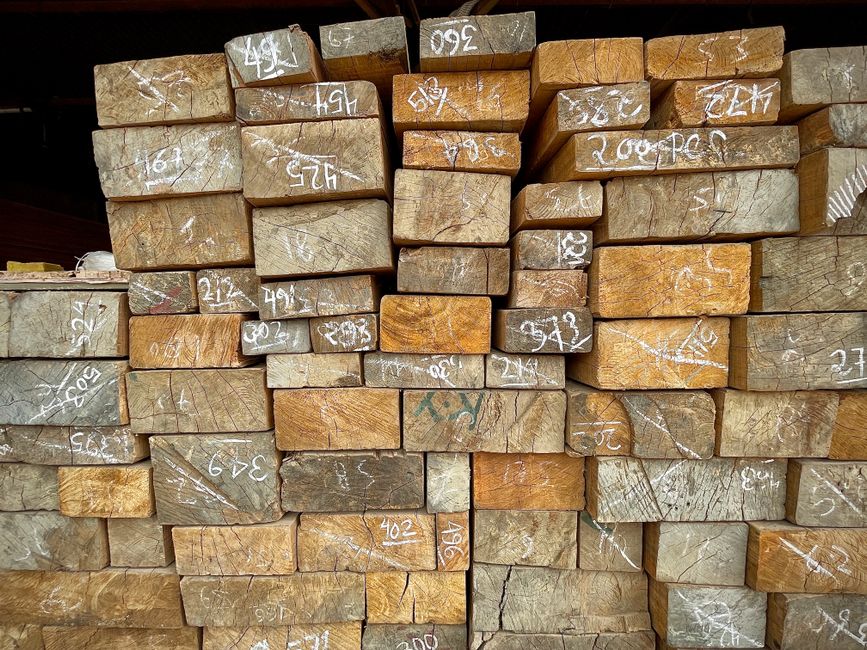
Most DIYers heading into summer 2026 are still working off mental price lists from two or three years ago. That’s the problem. The guy who budgeted a deck build based on what lumber cost in 2023 is going to get a very unpleasant phone call from the lumberyard. Between Canadian softwood tariffs, new duties on imported cabinets, and nine straight quarters of year-over-year lumber price growth, the math on summer projects has shifted in ways most homeowners haven’t fully absorbed yet.
I’ll be honest: even I was surprised by how quickly some of these cost increases compounded once the January 2026 tariff changes hit.
The Numbers Are Real and They’re Not Temporary
| Material/Project Type | Price Impact | Tariff Rate | Notes |
|---|---|---|---|
| Framing lumber (Q2 2026) | $916.62 per 1,000 board feet; +5.11% QoQ, +4.21% YoY | 45% combined (35% antidumping/countervailing + 10% Section 232) | 9 consecutive quarters of YoY growth |
| Kitchen cabinets (imported) | +25-30% overnight (Jan 1, 2026) | 25-30% tariff impact | Mid-range package: ~$8,000 → $10,000-$10,400 |
| Bathroom vanities (imported) | +25-30% overnight (Jan 1, 2026) | 25-30% tariff impact | Same category as cabinets |
| New home construction (typical) | +$10,900 total impact | Tariff-driven costs | NAHB estimate; excludes 40% material inflation since Dec 2020 |
Let’s start with what’s actually happening. Framing lumber hit $916.62 per thousand board feet in Q2 2026, a 5.11% spike in a single quarter and 4.21% higher than this time last year, according to Gordian/RSMeans data published in May 2026. That ninth consecutive quarter of year-over-year growth is the part that should get your attention. This isn’t a temporary supply shock. It’s a sustained structural shift.
The driver most people don’t fully appreciate is Canada’s role in the U.S. lumber supply. Roughly 85% of all U.S. softwood lumber imports come from Canada, and the U.S. is now applying a combined tariff of approximately 45% on that wood: a 35% antidumping and countervailing duty stacked on top of a 10% Section 232 tariff. The NAHB has estimated the total tariff impact adds about $10,900 to the cost of a typical new home, and that’s before you factor in that building materials are already up 40% since December 2020.
What surprised me was how little mainstream DIY coverage has connected this to concrete project budgets. Forty-three percent of general contractors reported at least one project canceled, postponed, or scaled back in the past six months because of tariff-driven material costs, according to an AGC-NCCER survey from February 2026. If professionals are adjusting scope, homeowners absolutely should be too.
Kitchens and Bathrooms Got Hit Especially Hard
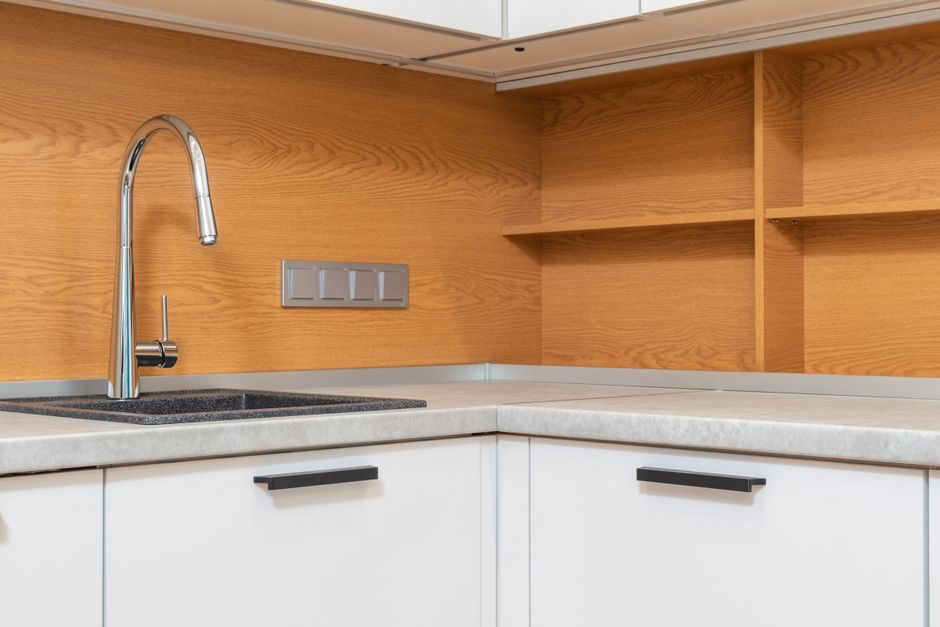
Lumber isn’t the only category that changed. If you were planning a kitchen remodel or bathroom vanity replacement this summer, new tariffs on imported cabinets and vanities that took effect January 1, 2026 added 25% to 30% to those product categories overnight. That’s not a small rounding error. On a mid-range kitchen cabinet package that might have run $8,000 in late 2024, you’re potentially looking at $10,000 to $10,400 for the same product now.
This is where a lot of DIYers are getting caught. They budget for the “old” price, pull permits or demo the existing kitchen, and then discover the replacement cabinets cost significantly more than expected. At that point, you’re mid-project with no cabinets and a budget problem.
The smarter move right now is to price materials before you demo anything. Get actual quotes, not estimates based on memory or last year’s Pinterest budget breakdowns. Stock cabinet lines from domestic manufacturers are worth a serious second look, even if they weren’t your first choice aesthetically. The tariffs apply most directly to imported goods, so domestically produced cabinets, while not cheap, have become more price-competitive by comparison.
Rethinking Project Scope Without Abandoning the Project
Scope adjustment isn’t failure. It’s good project management. Given where lumber prices are sitting, a few reframes are worth considering before you commit to anything structural this summer.
Decks are the most obvious candidate for scope reduction. If you were planning 600 square feet, price it at 400 and see if the space still functions. Composite decking has its own cost pressures, but it sidesteps some of the softwood lumber tariff exposure. Pressure-treated Southern Yellow Pine, which is produced domestically, has been somewhat less tariff-affected than Canadian SPF (spruce-pine-fir) grades, though it still reflects broader market pricing pressure.
For framing projects, sheds, additions, or garage conversions, the 45% tariff on Canadian lumber makes engineered wood products worth comparing directly to dimensional lumber again. LVL beams, I-joists, and similar products have their own cost structures, and depending on your span requirements, the math may have shifted in their favor.
One thing I keep telling people right now: the cost of waiting isn’t guaranteed to help you. Lumber futures are volatile and difficult to predict. If prices stabilize or drop modestly by fall, the savings might not justify delaying a project you need done. On the other hand, if you’re not under any deadline pressure and can wait six to twelve months, that’s a reasonable hedge. The research here is genuinely mixed on where prices go from here.
The Permit Problem Nobody Wants to Talk About
Here’s the part of this story that doesn’t get enough coverage. When budgets get squeezed, some homeowners start looking for ways to trim costs, and permits are an easy target because the fee seems optional and enforcement feels distant. That logic is more dangerous in 2026 than it used to be.
Home insurance providers have tightened compliance checks on DIY work this year. Unpermitted improvements, especially structural ones, now carry real financial exposure: claim denials, policy cancellations, and potential liability if something goes wrong. The squeeze you felt trying to save $400 on a permit can turn into a six-figure problem if an unpermitted deck fails or a buyer’s inspector flags the work during a sale.
I’m not trying to scare anyone away from DIY. I think DIYers who do their homework and pull proper permits do excellent work. But the temptation to skip steps when budgets are tight is real, and the consequences of that specific shortcut have gotten worse, not better.
Where to Actually Put Your Money This Summer
Not every project category got hammered equally. Landscaping, painting, flooring, and tile work are less exposed to the lumber and cabinet tariffs. Interior work that doesn’t involve structural framing, new cabinetry, or imported fixtures is still relatively comparable to where it was a year ago in terms of material costs.
If you’re dead-set on a structural project, buy materials sooner rather than later if you can store them, price domestic alternatives at every decision point, and build a 15% to 20% contingency into your budget rather than the 10% most guides still recommend. Contractors are quoting higher contingencies right now for good reason.
The summer of 2026 isn’t a great time to stretch your budget to the edge on a big project. It is a reasonable time to do the smaller, smarter version of that project, do it properly, and come back for the larger version when the tariff situation settles, assuming it does.
Sources
- What the Data Says: Lumber Price Updates (Q2 2026) (May 5, 2026)
- How Tariffs Impact the Home Building Industry (April 4, 2026)
- Recent Tariffs Threaten Residential Construction (October 9, 2025)
- Commodity Price Volatility Hits Homebuilders as Tariffs Reshape Costs (February 12, 2026)
- Lumber Prices in 2026: What Builders and Homeowners Need to Know Now (December 15, 2025)
Photo: Nishant Aneja via Pexels