 Maria Gonzalez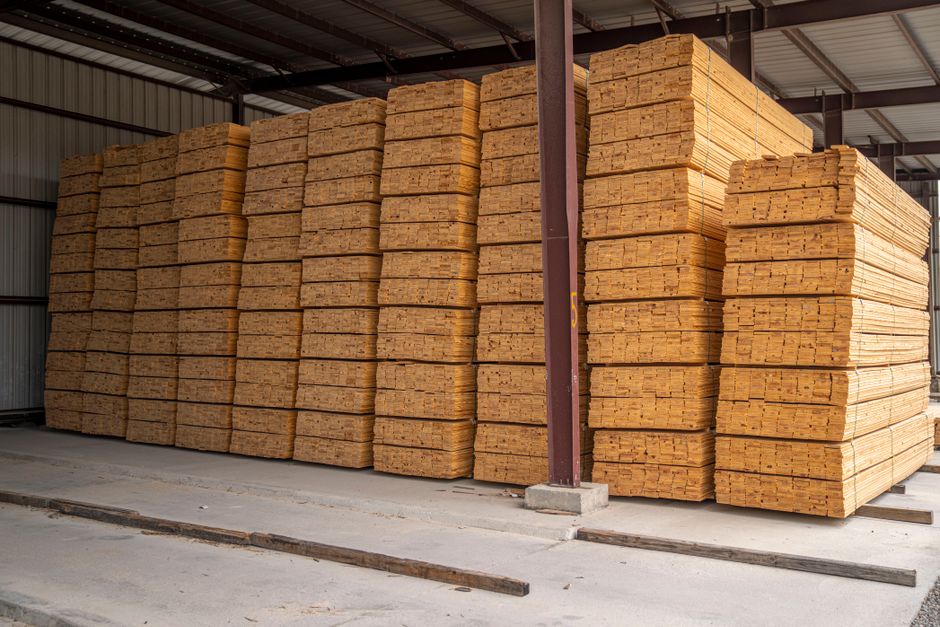
You’re standing in the lumber aisle at Home Depot in late July, trying to figure out if you should buy the framing materials for that deck addition now or wait a few weeks. The guy next to you is doing the same math. What neither of you probably knows is that a 10% global baseline tariff on imported building materials expires July 24, 2026, and what comes after that date is genuinely uncertain. But here’s the thing: the tariff expiration doesn’t mean prices drop. It means the floor shifts, and the specific duties that have been hammering your actual project costs stay right where they are.
I’ve spent the last several months watching homeowners get blindsided by budget overruns that have nothing to do with their contractor’s markup or their own planning. It’s the materials. Across the board, total material costs for typical residential projects are running 10 to 16% higher in 2026 compared to 2025, according to a Q2 2026 cost update from Tax Credit Advisor. That contingency buffer you used to build in at 10 to 15%? Bump it to 15 to 20% right now, before you write a single check.
What’s Actually Driving Your Material Costs Up
The story isn’t one tariff. It’s layers.
Canadian softwood lumber, which is where most of the dimensional framing lumber in the U.S. comes from, has been hit with a combined duty of 45%. That’s antidumping and countervailing duties raised from 14.5% to 35% in 2025, stacked on top of a 10% Section 232 tariff added this year. The result: framing lumber is hovering around $590 per thousand board feet as of early 2026. If you’re building anything with a wood frame, that number is in your project whether you see it on a line item or not.
Steel, aluminum, and copper are sitting at a 50% tariff as of April 2026. That hits everything from structural connectors and hangers to copper pipe and the wire in your walls. Electrical panel boards and conduit systems are facing a 15% tariff on top of existing costs. The AGC Tariff Resource Center for Contractors (updated June 30, 2026) has been tracking all of this in real time, and the picture for anyone doing electrical or plumbing upgrades this summer is genuinely more expensive than it was even 18 months ago.
The Cabinet Window That Closes in January
If you have a kitchen or bathroom remodel anywhere in your plans for the next 18 months, this is the section to read carefully.
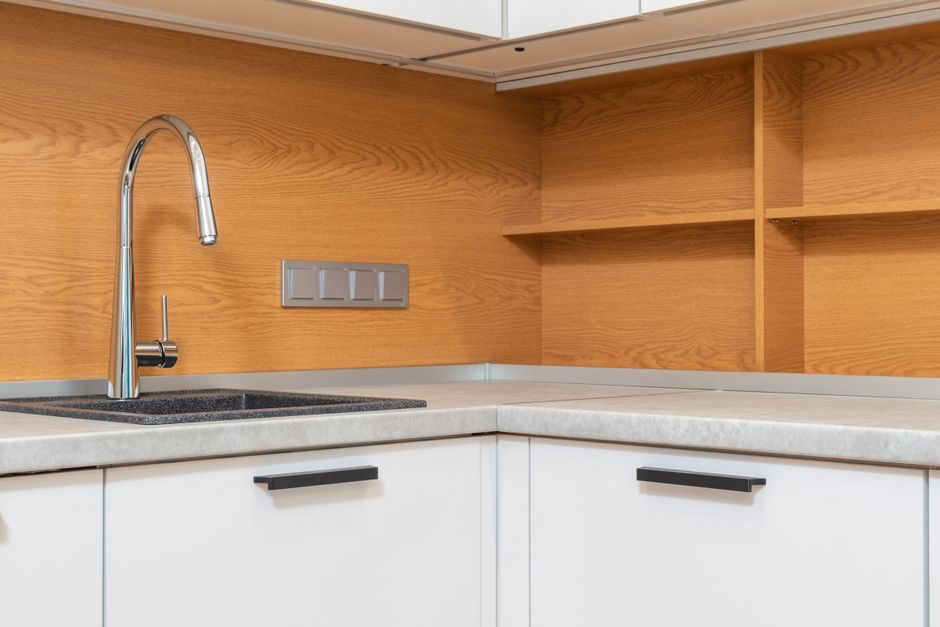
Cabinet and vanity tariffs are currently sitting at 25%. They are scheduled to potentially jump to 50% on January 1, 2027. That’s not a rumor. That’s the current policy trajectory. What most people don’t realize is that you don’t have to have your kitchen torn apart by December to take advantage of current pricing. Cabinet manufacturers and dealers will let you order and lock in pricing months before installation. If you’re working with a semi-custom or stock line, you can order in fall 2026 and store flat-pack boxes in a garage.
A 25-percentage-point tariff increase on cabinets translates directly into real dollars. On a mid-range kitchen with $8,000 in cabinet costs, a jump from 25% to 50% duty could add $1,500 to $2,000 to your material bill alone, depending on where those cabinets are manufactured. The NAHB has been clear that imported cabinet lines from Southeast Asia are especially exposed to these increases.
Where You Can Actually Substitute and Save
Here’s where I’ll push back on the doom framing a little. Not every material category has been hit equally hard, and there are real substitutions available right now.
| Material | Tariff Situation | 2026 Cost Trend | Better Alternative |
|---|---|---|---|
| Canadian dimensional lumber | 45% combined duty | Up sharply, ~$590/MBF | Engineered wood (LVL, I-joists) |
| Imported ceramic/porcelain tile | 10% baseline tariff | Moderate increases | Domestic hardwood flooring |
| Imported steel connectors | 50% tariff | Significant increase | Specify domestic-made hardware |
| Imported cabinets (SE Asia) | 25% (possibly 50% in 2027) | Rising, window closing | Order now or go domestic brand |
| Copper plumbing | 50% tariff on copper | Up meaningfully | PEX tubing (lower tariff exposure) |
Engineered wood products like LVL beams and I-joists have seen smaller price increases than standard dimensional lumber, partly because domestic production capacity exists and the tariff math is different. If you’re doing a structural project, talk to your lumber supplier about substituting engineered products where the design allows it. Domestic hardwood flooring is similarly positioned. I’ve been steering clients toward domestic white oak and hickory floors this year specifically because the imported tile and exotic hardwood alternatives have taken harder hits.
PEX tubing for plumbing is another real substitution. Copper is getting expensive fast. PEX is domestically produced in significant volume, it’s code-approved in most jurisdictions, and the performance gap between PEX-A and copper for most residential applications is minimal.
How to Actually Budget a Project Right Now
The honest conversation I’m having with homeowners right now is this: your 2024 project estimate is not your 2026 project estimate. A bathroom remodel you priced out 18 months ago based on a contractor quote is almost certainly underbudgeted. CostFlowAI’s March 2026 analysis of construction tariff impacts puts the average residential project budget impact at real, measurable levels across every trade, not just one or two.
Practically speaking, here’s what that means for your planning. Get material quotes in writing with a hold date. Ask suppliers specifically what their price-lock window is, and get it in an email. If you’re buying cabinets, vanities, tile, or anything imported, treat fall 2026 as your buying window. And build that 15 to 20% contingency in before you show anyone your budget, not as a note at the bottom.
The July 24 expiration of the global baseline tariff might prompt some adjustments in categories I haven’t covered here. But the big-ticket duties on lumber, steel, copper, and cabinets are not going away with that expiration. If anything, the Brookings Institution flagged back in late 2025 that residential construction is especially exposed to these policy layers, and the Q2 2026 data is bearing that out.
The homeowners who come out ahead in this environment aren’t the ones who wait for prices to normalize. They’re the ones who make substitution calls intelligently, lock in pricing on the categories most at risk, and stop carrying 2024 assumptions into 2026 budgets.
Sources
- AGC Tariff Resource Center for Contractors (updated June 30, 2026)
- 2026 Construction Tariffs: Steel +25%, Cement +25% , Your Budget Impact (CostFlowAI) (published March 3, 2026)
- How Tariffs Impact the Home Building Industry (NAHB) (published March 23, 2026)
- Recent Tariffs Threaten Residential Construction (Brookings Institution) (published October 9, 2025)
- 2026 U.S. Construction Costs , Q2 Update (Tax Credit Advisor) (published April 16, 2026)
- Tariffs and Construction Costs in 2026: What LA Homeowners Should Budget (CCS Inc.) (published April 27, 2026)
Photo: Mark Stebnicki via Pexels