 Maria Gonzalez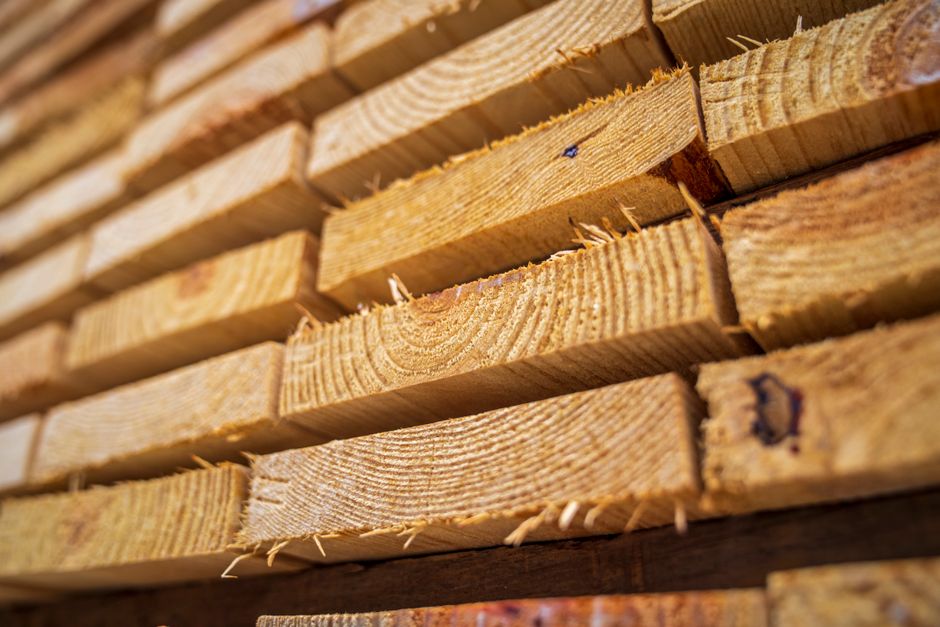
The coverage on this tariff keeps focusing on what it means for homebuilders. That’s the wrong audience. If you’re a homeowner with a deck project, a fence replacement, or a framing job sitting on your to-do list, the August 2026 Canadian softwood lumber tariff increase to 35.9% hits you just as hard, and you have a shorter window to do anything about it.
Here’s where things stand right now: suppliers aren’t waiting for August. Framing lumber has already climbed roughly 4.4% month-over-month as of July 2026, according to Builders Supply & Home Center, because distributors are repricing inventory in anticipation. That pre-hike creep is real money. A project you priced out in May costs more today, and it’ll cost more again in six weeks. Canada supplies about 85% of all U.S. softwood lumber imports, which represents nearly a quarter of total domestic supply, per NAHB. There is no meaningful workaround on sourcing. When that market moves, your local lumberyard moves with it.
The math isn’t complicated. A tariff doesn’t replace the old price. It layers on top. And this one, at 35.9%, is one of the steepest single-rate increases in recent memory.
- Canadian softwood lumber tariffs jump to 35.9% in August 2026, one of the steepest recent single increases.
- Framing lumber already up ~4.4% month-over-month in July 2026 as suppliers pre-price the tariff.
- Deck and fence material costs are 8–15% higher in 2026 vs. early 2025; buy before August if you can.
- Domestic composites (Trex, TimberTech) face only 5–8% increases , significantly better than imported hardwoods at 15–25%.
- 1 in 5 homeowners are already delaying renovation plans due to tariff-driven material cost increases.
What the 35.9% Rate Actually Means at the Lumberyard
Some context that gets lost in the headline number: this isn’t a brand-new tariff. The U.S. had already imposed a combined rate of roughly 45% on Canadian softwood in 2025. The August 2026 rate of 35.9% reflects a restructured calculation, not a reduction. The effect on pricing is still an increase from where the market has been absorbing costs in 2026.
What you’ll feel it on most is framing lumber, dimensional softwood (2x4s, 2x6s, 2x10s), and pressure-treated boards. These are almost entirely sourced from Canadian mills. If you’re framing an addition, building a deck structure, or replacing a fence, every linear foot of that material is affected.
Engineered lumber products, OSB panels, and plywood follow similar exposure. The tariff doesn’t care what you’re building.
Decking: The Numbers by Material Type
This is where homeowners have the most flexibility to make smarter buying decisions right now. Not all decking is equally tariff-exposed, and the spread is wide enough to matter.
| Material | 2026 Cost Change vs. Early 2025 | Notes |
|---|---|---|
| Pressure-treated pine (Canadian) | +8–15% | Directly tariff-exposed; buy now |
| Imported hardwoods (Ipe, Cumaru) | +15–25% | Compounded by separate import tariffs |
| Domestic composites (Trex, TimberTech) | +5–8% | Best insulation from tariff volatility |
| Domestic cedar / Douglas fir | +6–10% | Partially exposed, depends on source region |
Composite decking made in the U.S. is the clearest hedge. Trex manufactures domestically. TimberTech’s core products do too. The 5–8% increase they’re seeing, per LDN Decks’ June 2026 analysis, is mostly driven by resin and component costs, not lumber tariffs directly. If you’re deciding between PT pine and composite for a new deck, the tariff situation just tipped the long-term cost argument further toward composite.
Imported hardwoods are the worst position to be in. Ipe and Cumaru were already premium materials. Add 15–25% to that, and the payback math on a hardwood deck gets very hard to justify.
Projects to Buy For Now vs. Projects to Reconsider
A 35.9% tariff increase doesn’t mean stop building. It means sequence your purchases better than your contractor probably will.
Buy lumber for now: Any project with a defined material list you can act on in July. Deck framing, fence replacement, a shed build, sistering joists in a crawlspace. Buy and store it. Pressure-treated lumber stores fine stacked and covered. Dimensional framing lumber the same. You’re not speculating, you’re simply not paying August prices for materials you needed anyway.
Projects to rethink: Major framing work where you haven’t finalized plans. Don’t rush a design to beat a tariff and end up with a layout you’ll regret. The cost of a structural mistake beats the cost of waiting.
Kitchen cabinets are their own problem. Tariffs on imported cabinets hit 25% in 2026, with a scheduled climb that CostFlow AI tracked as high as 50% under the January 2026 rate structure. That’s a separate pressure point from lumber, but if your renovation touches both framing and cabinetry, the combined budget hit is significant.
According to a July 2026 survey of 1,003 homeowners by 2-10 Home Warranty, 1 in 5 are already delaying or reconsidering renovation plans because of tariff-driven material costs. Most of those are keeping changes in the cosmetic and material range, not walking away entirely. That’s the right instinct. Pivot the project scope, not the timeline.
When to Buy, When to Hire, and What to Tell Your Contractor
If you’re hiring out the work, get your contractor to lock in a material quote now, not a labor-plus-materials estimate that gets revised in September. Ask specifically what their lumber cost basis is and whether it reflects current July pricing or anticipated August pricing. Some contractors are already quoting August rates to protect their margins. That’s their right, but you should know which one you’re getting.
For DIYers with the storage space: buy your lumber in July. A modest deck project running 500 board feet of PT pine could easily see $150–$300 in additional material cost after August, depending on your market. That’s not catastrophic, but it’s also just money left on the table for no reason.
One thing that won’t save you: switching to big-box store brands expecting relief. Home Depot and Lowe’s source the same Canadian mills. Their pricing will move in the same direction, maybe a few weeks delayed as they burn through existing inventory. Don’t count on that gap.
The window is July. It’s not wide, but it’s real. Price your project, pull the trigger on materials, and let the August tariff be someone else’s problem.
Sources
- Why Lumber Prices Are Climbing Again in 2026 , Builders Supply & Home Center (July 2026)
- How Tariffs Impact the Home Building Industry , NAHB (March 2026)
- How Tariffs Affect Deck Prices in 2026 , LDN Decks (June 2026)
- 2026 Tariffs: Steel +25%, Cement +25% , Your Budget Impact , CostFlow AI (March 2026)
- Home Renovation Trends and Forecast 2026 , Meck Times / 2-10 Home Warranty (July 16, 2026)
Photo: Mark Stebnicki via Pexels